Not Every Day Will Feel Like Today Retro
As an embroidery designer and product reviewer, I’ve seen my fair share of digital designs that look great on a screen but fall flat when stitched out. Not Every Day Will Feel Like Today Retro is one that caught my attention for its emotional resonance and design potential. It’s not just a quote—it’s a statement that can elevate a handmade product or commercial project with the right approach.
The First Impression: A Mood-Driven Design
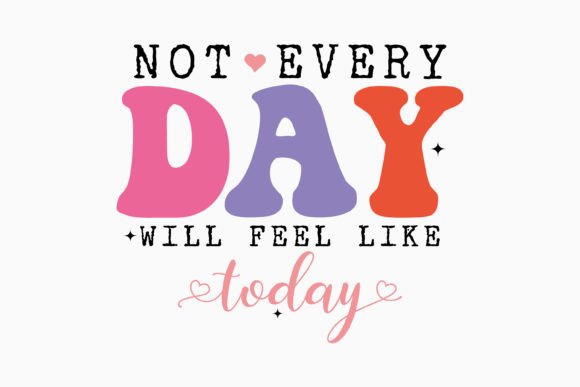
From the moment I opened the Not Every Day Will Feel Like Today Retro file, I noticed how the layout balances simplicity with subtle detail. The text is clean, the spacing feels intentional, and the overall aesthetic leans into a retro, nostalgic vibe. This isn’t a design that screams for attention—it whispers, which makes it perfect for products that aim to connect on a personal level.
The theme is clearly mental health-focused, which is both timely and meaningful. It’s a message that resonates with many, especially in today’s climate. Whether it’s used on a custom apparel piece or a personalized gift, the design has the potential to spark conversation and offer comfort.
Real-World Embroidery Performance
When testing Not Every Day Will Feel Like Today Retro on different fabrics, I found that it works best on medium-weight materials like cotton or polyester blends. The stitch density is moderate, which means it won’t overwhelm thin or stretchy fabrics. However, I’d advise caution when using it on dark-colored garments—thread color contrast becomes crucial here.
This design is ideal for machine embroidery projects such as tote bags, sweatshirts, and baby items. Its size and shape make it suitable for most standard hoop sizes, though I’d recommend checking your specific machine’s capabilities. For smaller hoop setups, consider breaking the design into sections if needed.
One thing to note is that the design includes areas with fine details. If you’re planning to use it on a patch or applique design, ensure that your stabilizer is appropriate for the fabric type. Thin or textured fabrics may require additional support to prevent puckering or distortion.
Where to Use It Carefully
While Not Every Day Will Feel Like Today Retro is versatile, there are situations where it might not perform as well. On curved surfaces like caps or hats, the design could appear slightly stretched or misaligned if not properly adjusted. Similarly, on delicate or stretchy fabrics, the stitch density might cause tension issues.
For small hoop sizes, the design may need to be split or scaled down. Tiny lettering or intricate corners could become lost in the stitching process, so always test on scrap fabric first. If you’re planning to use it on a holiday or wedding gift, make sure the design aligns with the occasion’s tone and visual style.
Impact on Visual Appeal and Customer Perception
When used correctly, Not Every Day Will Feel Like Today Retro adds a layer of thoughtfulness to any finished product. It can enhance the visual appeal of a handmade item, making it more desirable for customers who value meaning and craftsmanship. The retro aesthetic also gives it a timeless quality, which is a big plus for small shop products or Etsy listings.
From a commercial standpoint, this design has strong potential for branding. It can be used across multiple mediums—t-shirts, mugs, pillow covers, and more. Its 100-color changeable feature allows for flexibility in marketing and product customization, which is a huge advantage for craft business owners and digital product sellers.
Customer trust is another factor to consider. A well-executed embroidery project with a meaningful message can create a stronger emotional connection with buyers. This design, when presented professionally, can increase buyer engagement and encourage repeat purchases.
Practical Designer Notes
Before finalizing any project with Not Every Day Will Feel Like Today Retro, I recommend testing it on different fabrics and thread colors. Even a slight shift in hue can dramatically affect the outcome. Also, review the stitch density to ensure it matches the fabric’s weight and the project’s purpose.
Check the hoop size requirements for your embroidery machine. If the design is too large for your current setup, consider resizing it or using a larger hoop. Always inspect small details like corners and lettering to avoid issues during the stitching process.
Printable mockups can help visualize how the design will look on different backgrounds. Test it in black and white to see how it holds up without color. This is especially useful for digital product previews or when creating a design asset for resale.
If you’re planning to sell finished items or digital products, confirm the licensing terms. While the product description mentions source files (EPS and SVG), it doesn’t specify whether the design is for personal or commercial use. Always verify this before proceeding.
Final Thoughts: A Thoughtful Addition to Your Design Library
Not Every Day Will Feel Like Today Retro is more than just a design—it’s a tool for storytelling. Its retro feel and mental health message make it a unique addition to any embroidery project. Whether you’re creating a personalized gift, a boutique product, or a commercial design asset, this file offers a balance of form and function.
With proper preparation and attention to detail, it can enhance your work and resonate with customers. Just remember to test, adjust, and adapt it to your specific needs. When done right, it can turn a simple embroidered item into something truly special.