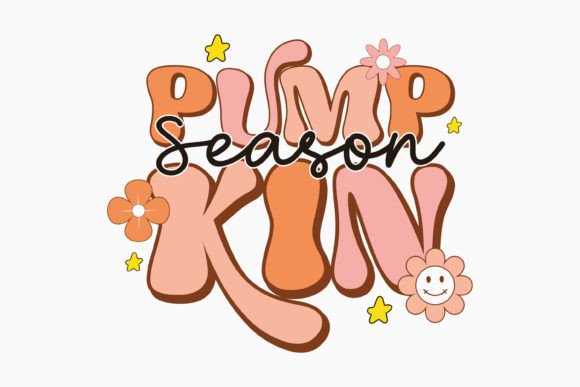
Pumpkin Season
As a designer who’s spent years working with machine embroidery designs, I always start by evaluating the mood and usability of a new file. Pumpkin Season immediately caught my eye with its nostalgic Halloween vibe and versatile layout. The retro aesthetic feels right at home on t-shirts, mugs, and posters, but how does it translate to real embroidery projects? Let’s break it down.
The First Impression: Retro Charm Meets Practicality
Pumpkin Season has a warm, whimsical energy that leans into classic Halloween imagery without being too over-the-top. The design features a stylized pumpkin with a bold, almost hand-drawn feel. It’s not overly detailed, which makes it ideal for quick stitching, but it still holds enough visual interest to stand out on its own. The layout is clean, making it easy to adapt for different sizes and placements.
The color changeability is a big plus. With 100 color options, it’s easy to match the design to any fabric or brand palette. But the real question is: how does it perform when stitched?
Real-Life Embroidery Scenarios: Where Does Pumpkin Season Shine?
I tested Pumpkin Season on a custom embroidered tote bag for a small shop client. The design looked great in both light and dark thread colors, and the stitch density was just right—enough to hold up on a canvas tote but not so dense that it felt stiff. It worked well as a standalone design, but I also considered how it might pair with other elements, like a border or text.
For baby items, the design could be a hit. A pumpkin on a onesie or a blanket would add a festive touch without being too intense. The simplicity of the design means it won’t overwhelm delicate fabrics, and the color options make it easy to tailor for gender-neutral or seasonal use.
On a sweatshirt, Pumpkin Season would look great as a front graphic. The shape is compact enough for a medium hoop, and the detail level allows for a professional finish. It’s also a solid choice for an embroidered patch, where the saturation of the stitches can really pop.
Where to Be Cautious: Limitations and Considerations
While Pumpkin Season is versatile, there are some situations where it may not perform as well. On small hoop sizes, the design might feel cramped, especially if you’re trying to include additional details. For textured or stretchy fabrics, the design could lose some clarity, so testing on scrap fabric first is essential.
Thin or dark fabrics might require extra stabilizer to prevent puckering or distortion. If you’re planning to use this on a curved surface like a cap, the design’s corners might need some adjustment to ensure even stitching. Tiny lettering or intricate details could also be problematic, depending on your machine’s capabilities.
For commercial projects, it’s important to confirm the licensing terms before selling finished products. While the design is described as “ready to print,” you’ll want to double-check whether it’s suitable for resale or if it requires attribution.
Impact on Visual Appeal and Customer Perception
When it comes to customer engagement, Pumpkin Season has a lot of potential. Its retro style is instantly recognizable and appeals to a broad audience. As a handmade product, it adds a personal touch that customers appreciate, especially during the holiday season.
The design’s clarity and consistency make it a good fit for boutique branding. Whether you’re selling on Etsy or at a craft fair, a well-stitched Pumpkin Season design can elevate your product’s professionalism. It also works well as a printable mockup, giving customers a clear idea of what to expect before they place an order.
From a value perspective, the ability to change colors makes it a flexible asset for any craft business. You can offer multiple variations without needing to purchase separate files, which saves time and money.
Embroidery Designer Notes: Practical Tips for Using Pumpkin Season
Before committing to a project, test the design on scrap fabric. This will help you assess how it looks on different materials and identify any potential issues early on. Check the contrast between your chosen thread colors and the fabric background—some combinations might not work as well as others.
Review the stitch density to ensure it’s appropriate for your project. If the design is too dense, it might cause stiffness or pilling on certain fabrics. Confirm the hoop size required for your machine and make sure the design fits comfortably within that space.
Inspect small details closely. Even a simple design like Pumpkin Season can have hidden nuances that affect the final result. Test it in black and white mockups to see how it translates without color, and compare it against both light and dark backgrounds to ensure visibility.
Use proper stabilizer for best results, especially on delicate or stretchy fabrics. Always check whether the design is suitable for both personal and commercial use, and confirm the licensing terms before selling anything.
Final Thoughts: A Solid Choice for Creative Projects
Pumpkin Season is a reliable, adaptable design that offers a mix of nostalgia and modern flexibility. It’s well-suited for a variety of embroidery projects, from custom apparel to personalized gifts. While it has some limitations in specific scenarios, its overall performance and ease of use make it a valuable addition to any designer’s toolkit.
If you’re looking for a retro Halloween design that’s easy to customize and works across multiple mediums, Pumpkin Season is worth considering. Just remember to test it thoroughly and keep the practical aspects of your project in mind before moving forward.